Flow Wrapping Machine: An Efficient Packaging Solution for Soap Products
In the soap manufacturing industry, packaging plays an important role in product protection, presentation and production efficiency. As manufacturers increase production capacity and serve different markets, manual packaging may no longer meet their operational requirements.
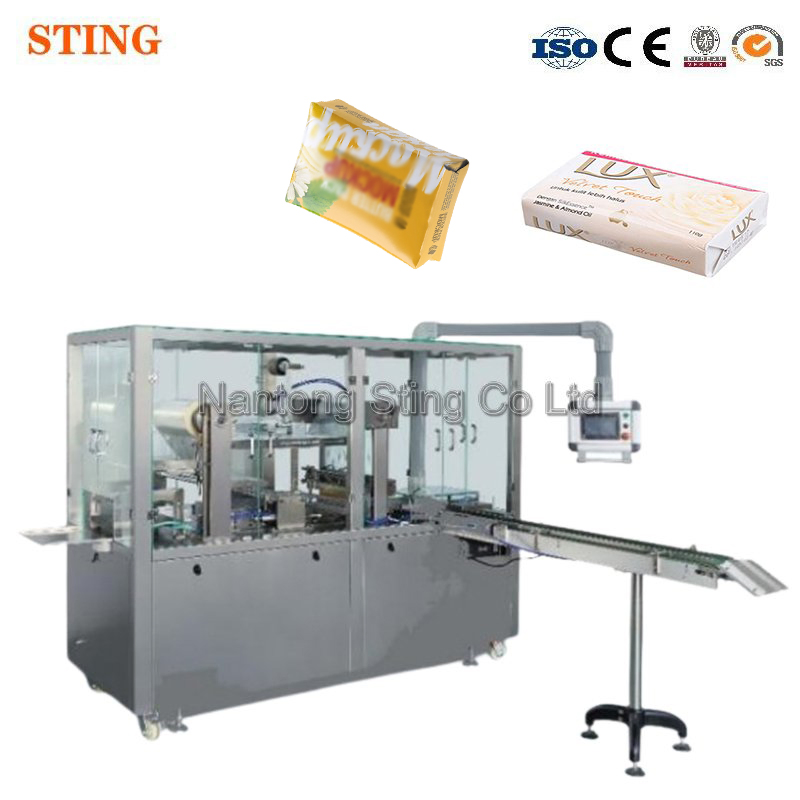
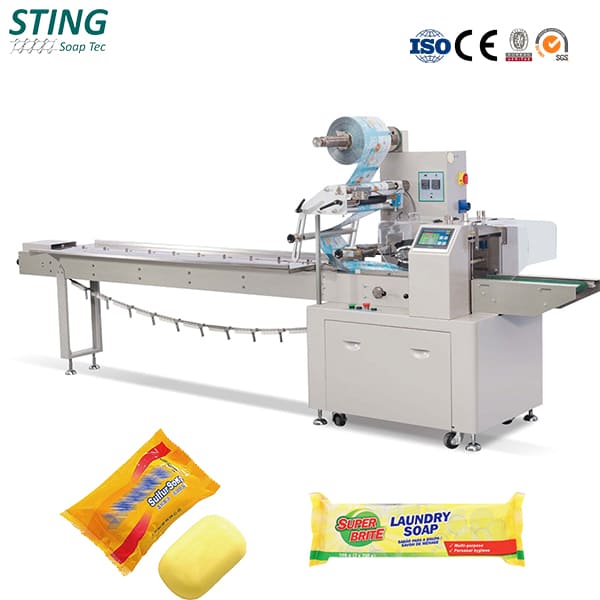
A flow wrapping machine is an automated packaging solution designed to wrap individual products in flexible film. It is widely used for packaging toilet soap, laundry soap bars, beauty soap and other solid products. With a continuous feeding and sealing process, a flow wrapping machine can help soap manufacturers improve packaging consistency and streamline their production operations.
1. What Is a Flow Wrapping Machine?
A flow wrapping machine, also known as a horizontal flow wrapper, is a packaging machine that encloses products in a continuous roll of packaging film.
During operation, soap bars are transferred onto a conveyor, wrapped in film and sealed to create individual packages. The finished products are then discharged for collection, inspection or further packaging.
For soap manufacturers, this packaging method offers a practical solution for producing neat and consistent individual packages. Depending on the machine configuration, it may be suitable for different soap sizes, shapes and packaging designs.
2. How Does a Flow Wrapping Machine Work?
A typical flow wrapping process consists of several main stages:
Step 1: Product Feeding
Soap bars are placed onto the infeed conveyor manually or through an automatic feeding system. The products are positioned at suitable intervals before entering the wrapping section.
Step 2: Film Feeding and Forming
Packaging film is supplied from a roll and guided around the soap bar. The forming section shapes the film into a tube around the product.
Step 3: Longitudinal Sealing
The machine seals the overlapping edges of the film to form a continuous package around each soap bar.
Step 4: End Sealing and Cutting
The end-sealing mechanism creates seals between individual packages. The cutting unit then separates the packages into finished products.
Step 5: Finished Product Discharge
Individually wrapped soap bars move out of the machine and can be transferred to a collection conveyor or downstream packaging equipment.
The exact working process and automation level depend on the selected machine model and configuration.
3. Key Benefits of a Flow Wrapping Machine
Improved Packaging Efficiency
An automatic flow wrapping machine can reduce repetitive manual packaging operations and support continuous production. This is particularly useful for soap factories handling regular, high-volume orders.
Consistent Package Appearance
The machine controls film feeding, sealing and cutting to help produce uniform packages. Consistent packaging can improve product presentation and create a more professional appearance for retail products.
Product Protection
The packaging film helps protect soap bars from dust, handling and external contamination during storage and transportation. The actual level of protection depends on the selected film material and sealing quality.
Flexible Packaging Options
Depending on the machine design, manufacturers may use different film materials, package dimensions and printed designs. This provides flexibility for different product lines and brand requirements.
Integration with Production Lines
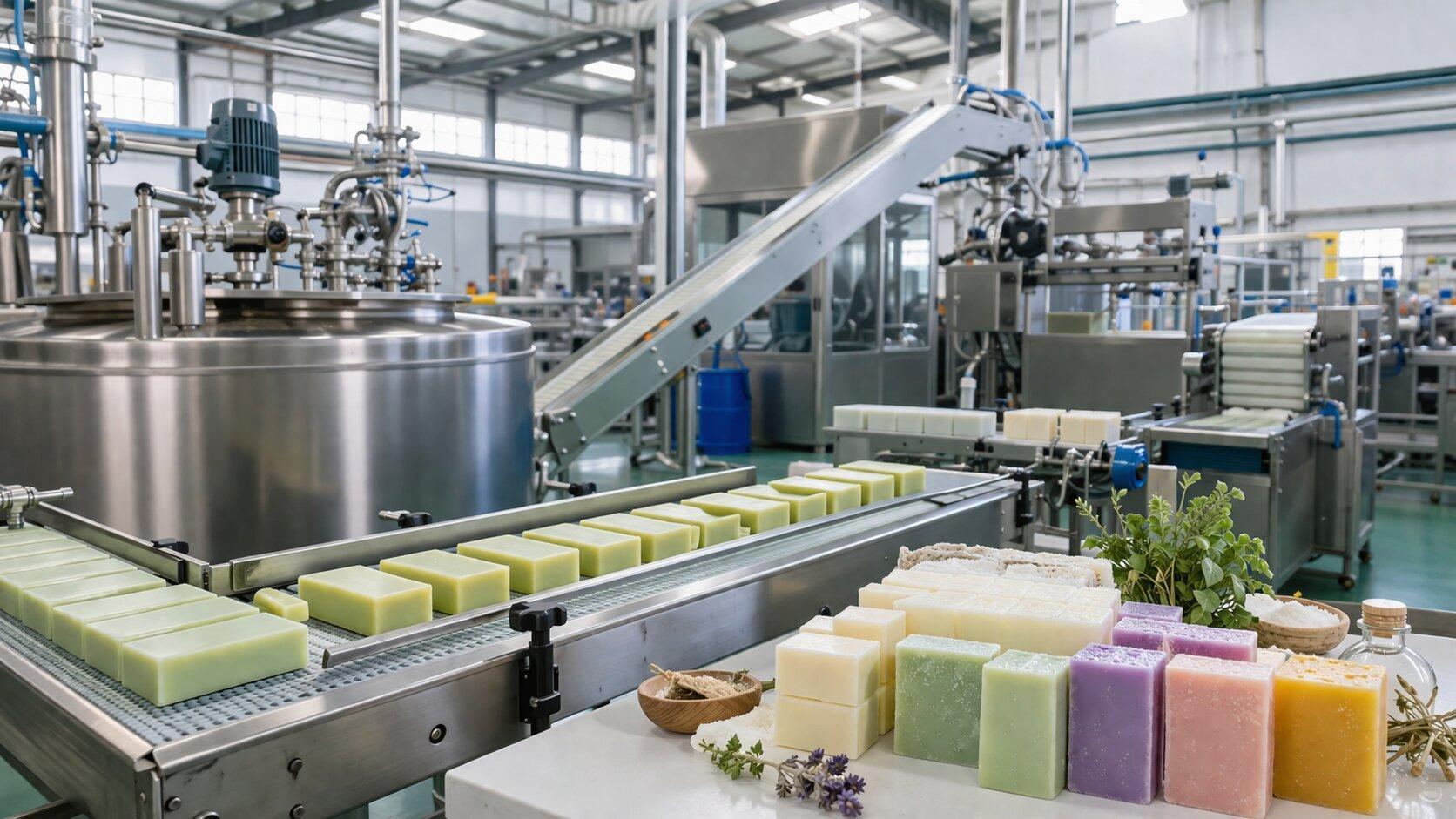
A flow wrapping machine can be incorporated into a larger soap manufacturing and packaging system. It may connect with upstream soap finishing equipment and downstream cartoning or case-packing equipment when the production layout allows.
4. Applications in the Soap Industry
Flow wrapping machines can be used for packaging various solid soap products, including:
-
Toilet soap
-
Laundry soap
-
Luxury soap,beauty soap and medicated soap
-
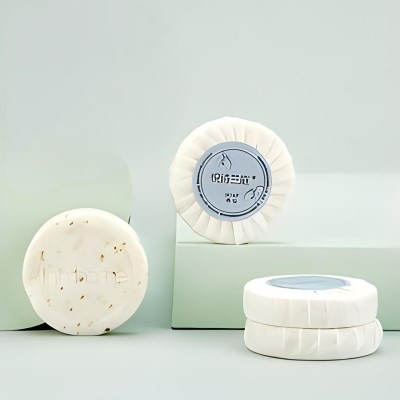
Hotel and guest soap
-
Promotional and customized soap products
For manufacturers producing several soap varieties, it is important to confirm the machine's product-size range and changeover requirements before purchasing.
5. How to Choose the Right Flow Wrapping Machine
Selecting suitable packaging equipment requires more than comparing machine prices. Soap manufacturers should evaluate the following factors:
Product Dimensions: Confirm the length, width, height and shape of the soap bars. Different product sizes may require different machine configurations.
Required Packaging Speed: Define the expected output per minute or per hour. The actual production rate depends on product dimensions, feeding stability, film properties and machine configuration.
Packaging Film: Discuss the available film materials, thicknesses, roll dimensions and sealing requirements with the equipment supplier.
Automation Requirements: Consider whether manual feeding is sufficient or whether an automatic feeding and product alignment system is needed.
Production Line Compatibility: Check conveyor height, product transfer direction, available floor space and connections with upstream and downstream machines.
Technical Support: Evaluate installation guidance, operator training, spare parts availability and after-sales service.
Before placing an order, manufacturers should provide product samples, packaging requirements and expected production capacity so that the supplier can recommend a suitable solution.
6. Why Consider STING for Soap Packaging Solutions?
STING focuses on soap manufacturing machinery and packaging solutions for industrial soap production. When evaluating a flow wrapping solution, manufacturers should consider how the packaging machine fits into their complete production process rather than looking at the packaging unit alone.
The appropriate configuration should be selected according to the soap dimensions, required output, packaging material and factory layout.
Contact the STING team to discuss your soap packaging requirements and explore a suitable equipment configuration for your production project.
Request a Quote: Share your soap dimensions, target capacity and packaging requirements with STING to receive further technical information.
Frequently Asked Questions (FAQ)
1. What products can a flow wrapping machine package?
A flow wrapping machine can package toilet soap, beauty soap, laundry soap bars and other suitable solid products. Product dimensions and machine specifications should be checked before selection.
2. What packaging materials can be used?
The compatible packaging materials depend on the machine's film-feeding and sealing system. Confirm the specific film types, thickness range and sealing requirements with the manufacturer.
3. Can one flow wrapping machine package different soap sizes?
Some machines can handle different product sizes through adjustments or change parts. The available size range and changeover procedure depend on the machine model.
4. Can a flow wrapping machine be integrated into a complete soap production line?
Yes. It can be integrated with suitable upstream and downstream equipment, subject to conveyor layout, product transfer requirements and production capacity matching.
5. What information is needed to get a quotation?
Prepare the soap dimensions, product photos or samples, required packaging style, target output, preferred film material and factory power supply information. These details help the supplier evaluate the appropriate machine configuration.
Contact STING today to discuss your soap packaging project and request a customized solution.
Double Layer Paper Wrapper: An Efficient Soap Packaging Solution