How to Select a Soap Plodder Machine
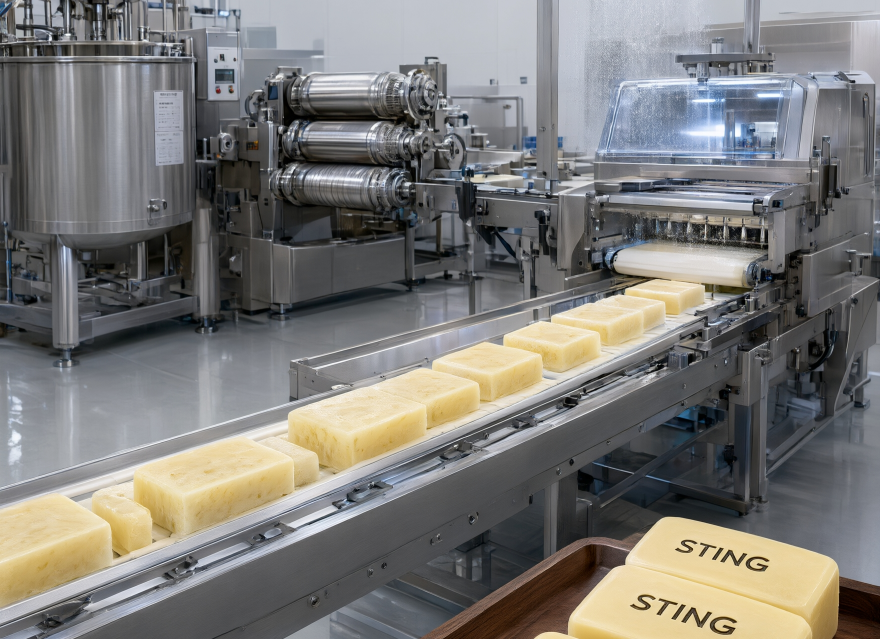
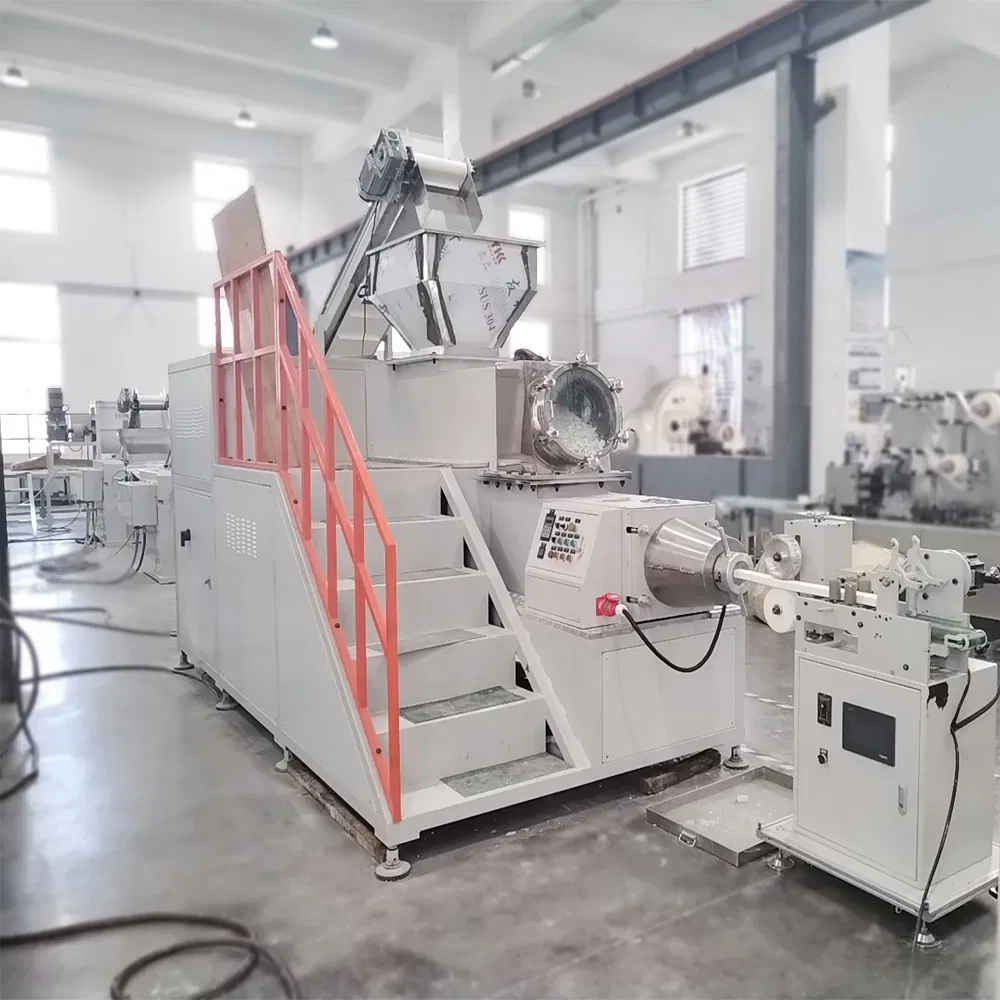
The soap plodder machine is the heart of any soap finishing line. It is the equipment that compresses, refines and shapes soap chips into a continuous, dense and homogenous soap bar. Whether you run a small laundry soap workshop or a fully automatic toilet soap plant, choosing the right soap plodder machine directly decides your output quality, energy cost and downtime. This guide walks you through the key factors to consider before you make your purchase.
What Does a Soap Plodder Machine Do
Key Factors to Consider When Choosing a Soap Plodder Machine
1. Capacity That Matches Your Output Target
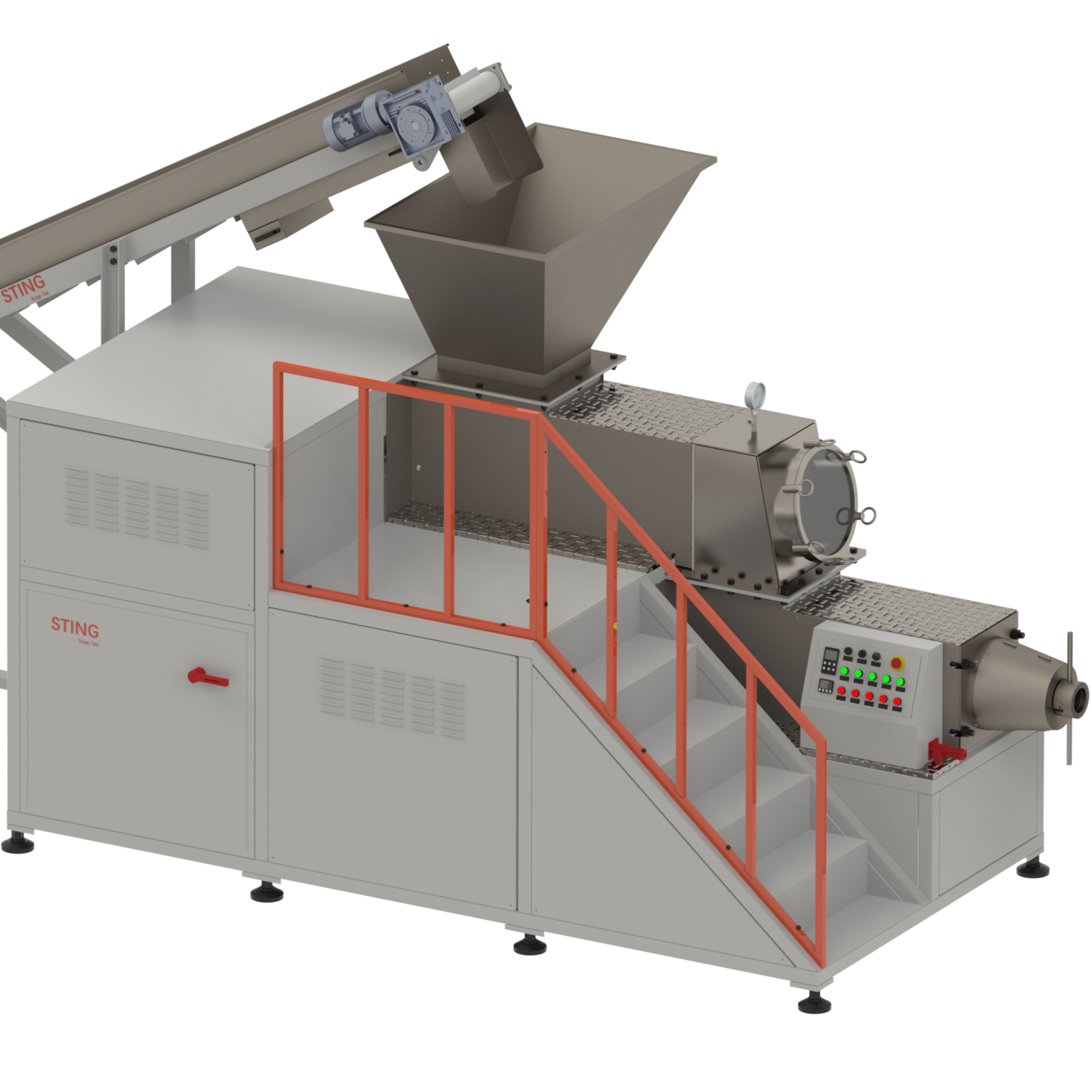
2. Simplex vs Duplex Plodder – Which Do You Need?
There are two common configurations:
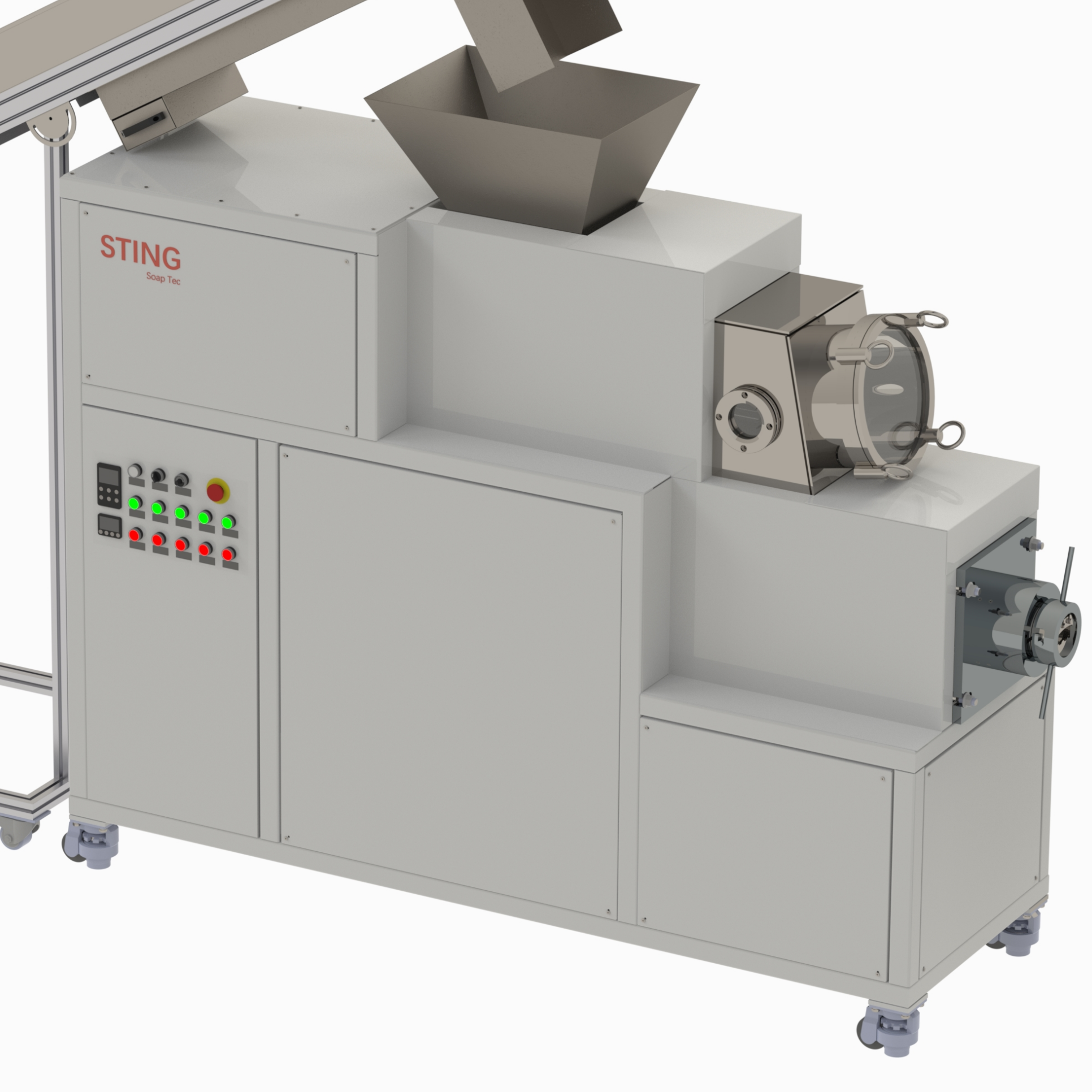
- Simplex (single screw) plodder: a single extrusion stage. It suits standard toilet soap and general laundry soap where the soap is reasonably refined before entering.
- Duplex (double screw / double stage) plodder: extrudes twice in one machine, giving denser, smoother and more uniform bars. It is the preferred choice for transparent soap, premium toilet soap and higher-speed lines where surface quality matters.
If your product is transparent or high-gloss soap, or you sell to demanding markets, a duplex plodder is usually worth the extra cost. For a cost-effective basic laundry soap line, a simplex plodder is often enough.
3. Screw, Barrel and Material Quality
4. Motor Power and Voltage Compatibility
5. Automation and Control
6. Die Sets and Custom Shapes
7. After-Sales Service and Spare Parts
8. Price vs Long-Term Cost
Steps Before You Buy
- List your target products (laundry, toilet, transparent soap) and daily capacity.
- Confirm your voltage, frequency and available space.
- Decide simplex or duplex based on product quality needs.
- Ask for a detailed technical specification sheet and layout drawing.
- Request a test video of the actual machine running your type of soap.
- Compare after-sales terms, warranty and spare-part support.
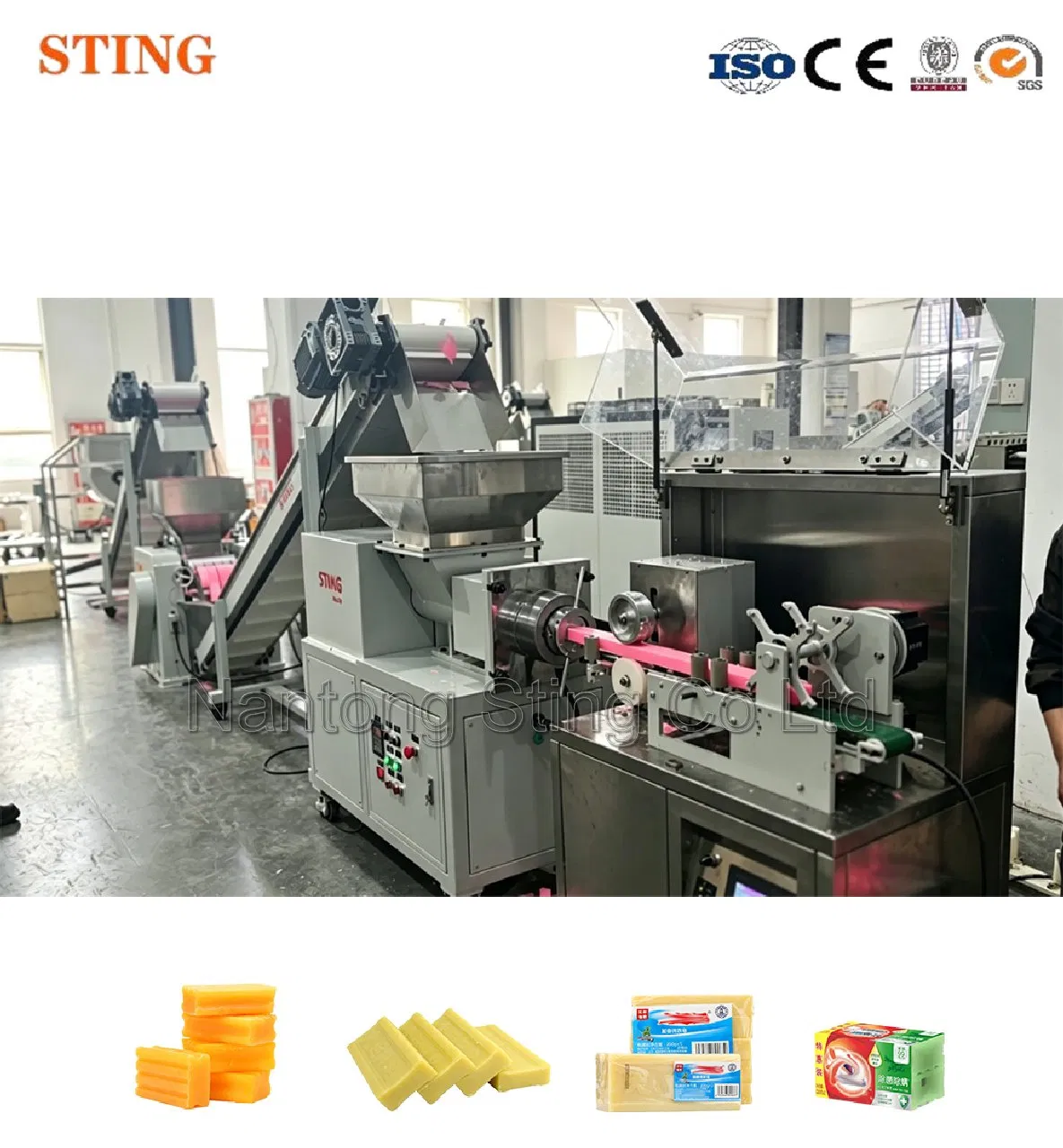
Ready to Choose the Right Soap Plodder Machine?
If you are still unsure which soap plodder machine fits your project, send us your capacity and soap type. STING can recommend the right model, provide a factory layout drawing and share a test video of the machine running your soap. Contact our team for a customized quotation today.
FAQ
Q1: What is a soap plodder machine used for?
A soap plodder machine compresses and refines soap chips into a dense, continuous bar. It removes air, smooths the soap surface and shapes it through a die, ready for cutting and stamping. It is a core part of a soap finishing line.
Q2: What is the difference between simplex and duplex soap plodder?
A simplex plodder has a single extrusion stage, suitable for general laundry and toilet soap. A duplex plodder extrudes twice in one machine, producing denser, smoother bars and is preferred for transparent soap and premium quality lines.
Q3: What capacity soap plodder machine do I need?
It depends on your daily output. Estimate your target production and add a 20–30% buffer. Small workshops often choose 100–200 kg/h; industrial lines may need 500 kg/h or more.
Q4: Can the soap plodder machine be customized for my voltage and product?
Yes. STING can configure motor voltage and frequency to your plant and supply custom die sets for different soap shapes. Share your soap type and capacity for a tailored solution.
Q5: Do you provide after-sales service and spare parts?
Yes. We provide warranty, technical support, installation guidance and spare parts. Confirm the warranty term and response time with our sales team before ordering.
Q6: Can I see the machine running before I buy?
We can share a test video of the machine running your type of soap, so you can verify quality before placing an order.
Soap Packaging Machines for Industrial Production
Toilet Soap Production Line: Equipment and Process