What Factors Should I Consider When Buying Saponification Soap Making Machine
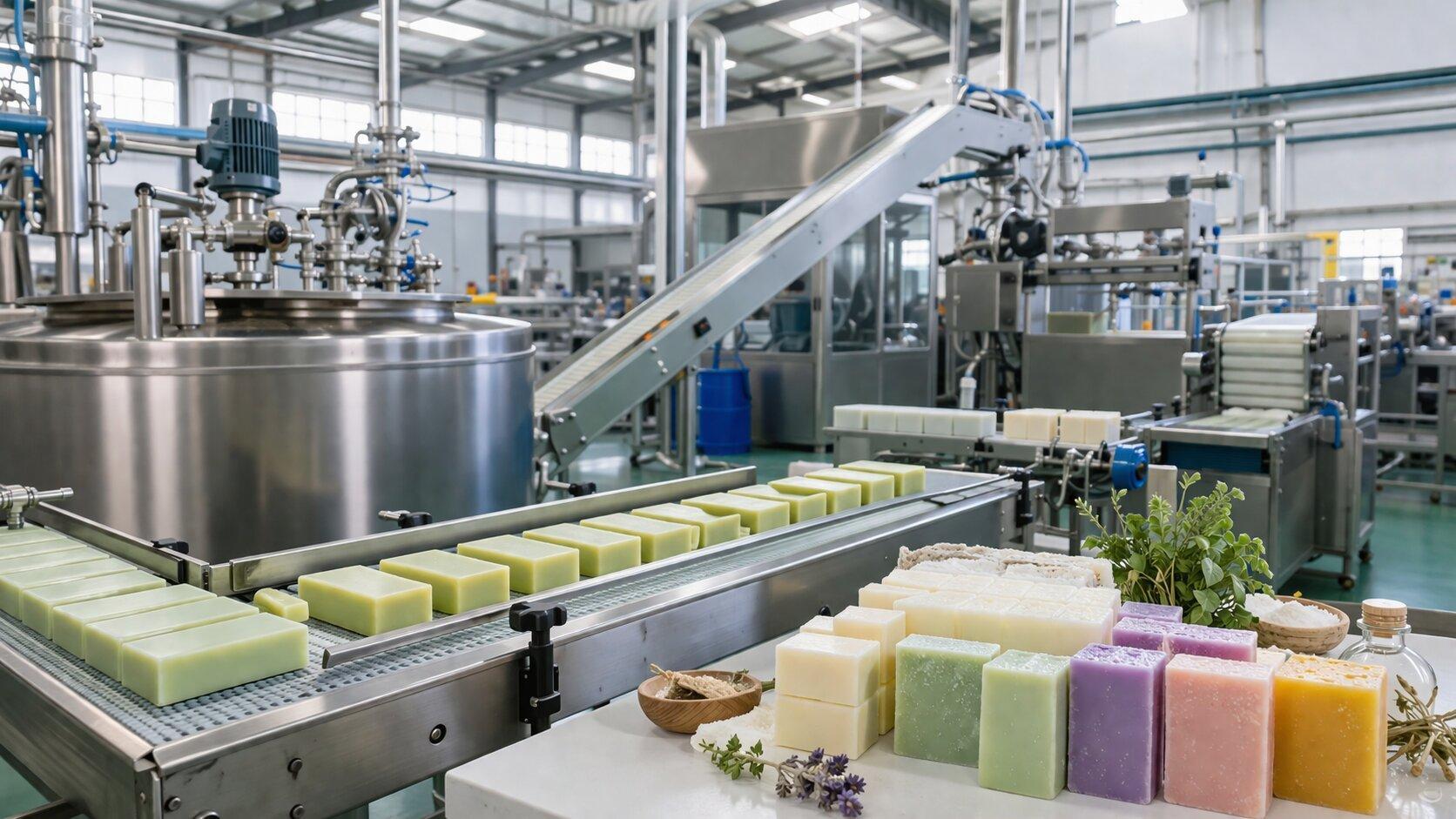
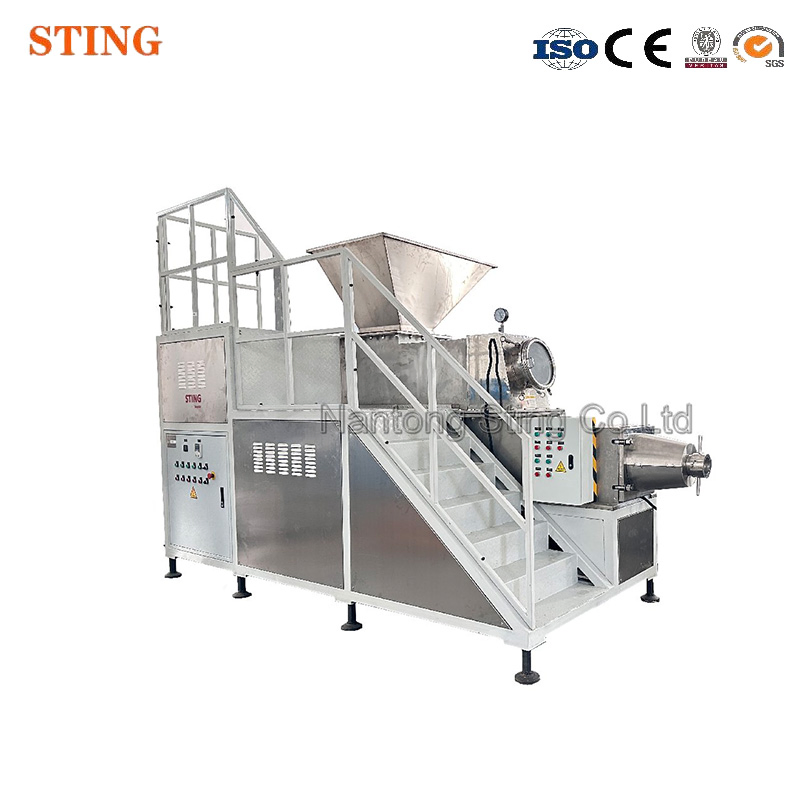
The saponification soap making machine is the core core equipment of industrial soap production. Choosing a qualified saponification soap making machine directly affects soap product stability, production cost, energy consumption and long-term factory profit. Many novice buyers only focus on the selling price of the saponification soap making machine and ignore key practical parameters, resulting in low output, severe energy waste and frequent equipment failure after formal production. Combining with actual factory debugging and operation experience, this article sorts out the core purchasing factors of saponification soap making machine to help buyers make cost-effective decisions.
1. Production Capacity Matching Actual Demand
Capacity matching is the primary principle for selecting a saponification soap making machine. Most manufacturers provide theoretical capacity data, while buyers must refer to stable actual working capacity. Raw material oil purity, water content and reaction temperature will all affect the final output of the saponification soap making machine.
Small soap processing workshops are suitable for 150–400kg/h saponification soap making machine;

medium-sized factories with stable orders choose 500–1000kg/h semi-continuous models;

large industrial production lines adopt 1200–2000kg/h fully automatic saponification soap making machine units.

Excess capacity will cause long-term low-load operation, increase power consumption and occupy factory space.
The following table shows the mainstream capacity configuration of saponification soap making machine for industry reference:
|
Production Scale |
Stable Hourly Capacity |
Recommended Saponification Soap Making Machine Type |
Occupied Area |
|
Small Workshop |
150–400kg/h |
Semi-automatic Model |
18–25㎡ |
|
Medium Factory |
500–1000kg/h |
Semi-continuous Industrial Model |
35–50㎡ |
|
Large Production Plant |
1200–2000kg/h |
Fully Continuous Assembly Line |
80–120㎡ |
2. Tank Material and Corrosion Resistance
Saponification is a typical acid-base chemical reaction, so the internal tank material of the saponification soap making machine determines service life and product safety. Low-cost saponification soap making machine adopts ordinary carbon steel, which is easy to rust and corrode after long-term contact with alkali liquid, causing soap base pollution and shortening service life to only 3–5 years.
High-quality standard saponification soap making machine uses 304 stainless steel for all material contact parts, with strong alkali corrosion resistance, meeting daily soap production standards. For high-grade transparent soap and essence soap production, 316 stainless steel customized saponification soap making machine is more suitable, effectively avoiding impurity precipitation and improving soap finish rate.
3. Heating Mode and Energy Consumption Control
The common heating methods of saponification soap making machine include electric heating, thermal oil heating and steam heating, each with applicable scenarios.
Electric heating saponification soap making machine features simple installation and low early investment, which is the first choice for small workshops, but the unit energy consumption is 15%–20% higher than other models. Thermal oil heating has stable temperature control, no local overheating, and is suitable for medium-sized batch production. Steam heating saponification soap making machine has the lowest operating cost, perfect for large-scale continuous production with boiler supporting conditions.
Actual production data shows that standardized saponification soap making machine can save more than 20% of energy consumption all year round compared with inferior modified equipment.
4. Automatic Level and After-sales Service Support
The automation degree of the saponification soap making machine directly affects labor cost and product consistency. Semi-automatic saponification soap making machine requires manual feeding and parameter adjustment, suitable for small-batch and multi-variety production. Fully automatic saponification soap making machine realizes automatic constant temperature reaction, PH value automatic detection and continuous discharging, which greatly reduces manual errors and improves product qualification rate above 98%.
For cross-border buyers, complete after-sales service of saponification soap making machine is essential, including remote debugging guidance, spare parts supply cycle and on-site installation training, to avoid production shutdown losses caused by equipment failure.
FAQ About Saponification Soap Making Machine
Q1: Can a single saponification soap making machine produce different types of soap?
A: Yes. A standard saponification soap making machine can produce laundry soap, toilet soap and transparent soap by adjusting oil-alkali ratio, reaction temperature and saponification time. Only matching post-processing equipment needs simple parameter adjustment.
Q2: What is the standard service life of industrial saponification soap making machine?
A: Equipped with 304 stainless steel tank and regular maintenance, the service life of formal saponification soap making machine can reach 8–12 years, while carbon steel models are easily damaged by corrosion within 3–5 years.
Q3: Is high capacity always better for saponification soap making machine purchase?
A: No. Blindly pursuing high capacity will lead to low-efficiency operation, increased power waste and higher factory rental cost. It is necessary to select the model according to actual order volume.
Stop blind price comparison and passive selection! Confirm your production output, factory area and product positioning first. Choose a targeted saponification soap making machine model to reduce operating costs and improve production efficiency. Send your production parameters now to obtain professional customized solutions and accurate quotations for saponification soap making machine.
Laundry Soap Making Machine: Complete Buying & Operation Guide 2026
Cold Process Soap Making Machine: Complete Toilet & Bath Soap Production Line Guide